
The history of Valentine's Day cards
2/1/2026
How a small gesture became a symbol of love
Long before Valentine's Day cards were printed, sold and exchanged by the millions, they existed in a much simpler form – notes with the message "I'm thinking of you".
They conveyed words that were difficult to say aloud, tenderness and the human desire to be noticed and remembered.
Where it all began
The roots of Valentine's Day can often be traced back to Saint Valentine, a figure surrounded by legends rather than historical facts. According to one of the most famous stories, Valentine was a Roman priest who secretly married couples at a time when such unions were forbidden. And for this he was executed.
Although historians still debate the exact origins of this holiday, one thing is clear: from the very beginning, Valentine's Day has been associated with devotion, fidelity and choosing to be in a relationship despite obstacles.
The first written valentines
The earliest known written valentine dates back to the 15th century. It is said that Charles, Duke of Orleans, wrote a love poem to his wife while imprisoned in the Tower of London. This letter was deeply personal, handwritten and emotional—nothing like the mass-produced cards we know today. It was recently sold at auction for £7,000.
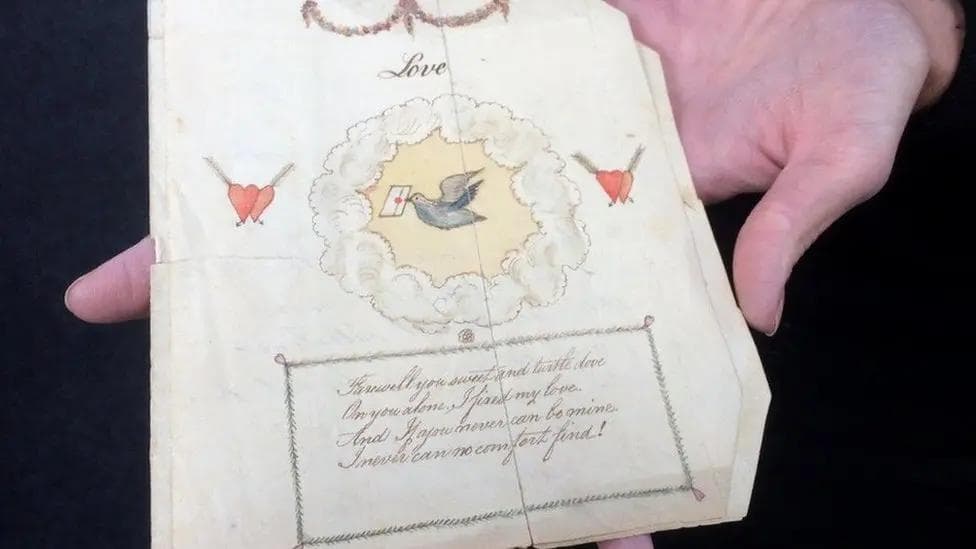
The earliest Valentine's Day cards were poems and letters exchanged privately.
From handwritten notes to decorated cards
By the 18th century Valentine's Day cards had become more widespread in Europe. People exchanged messages decorated with lace, ribbons, flowers and symbols of love. Each card was handmade, often carefully crafted over several hours or days.
This is where the tradition really took shape:
With the advent of printing in the 19th century, Valentine's Day cards became more accessible. Ready-made cards appeared, allowing more people to participate in this ritual. But even then, many added their own words, drawings or dried flowers – personal touches that made each card unique.
Why Valentine's Day cards were important – and remain important to this day
In essence, Valentine's Day cards were never about perfection or grand gestures. They were about intentions.
A valentine card said:
- I thought of you
- I spent time on this
- I wanted to do something special for you
In a world where emotions were often restrained, especially in public, the card became a safe container for feelings.
Valentine's Day cards today: meaning beyond tradition
Today, Valentine's Day is often viewed through the lens of marketing and expectations. But beyond the noise, the original idea still holds value.
A Valentine's Day card does not have to be romantic.
It can be a note to a friend, a reminder to a partner, or even a message to yourself.
The power of a Valentine's Day card lies not in its design, but in its sincerity.
The modern Valentine's Day cards
My Valentine's Day collection "Thread Of Love" was created with this history in mind. Not as a one-day decoration, but as little repositories of memories.
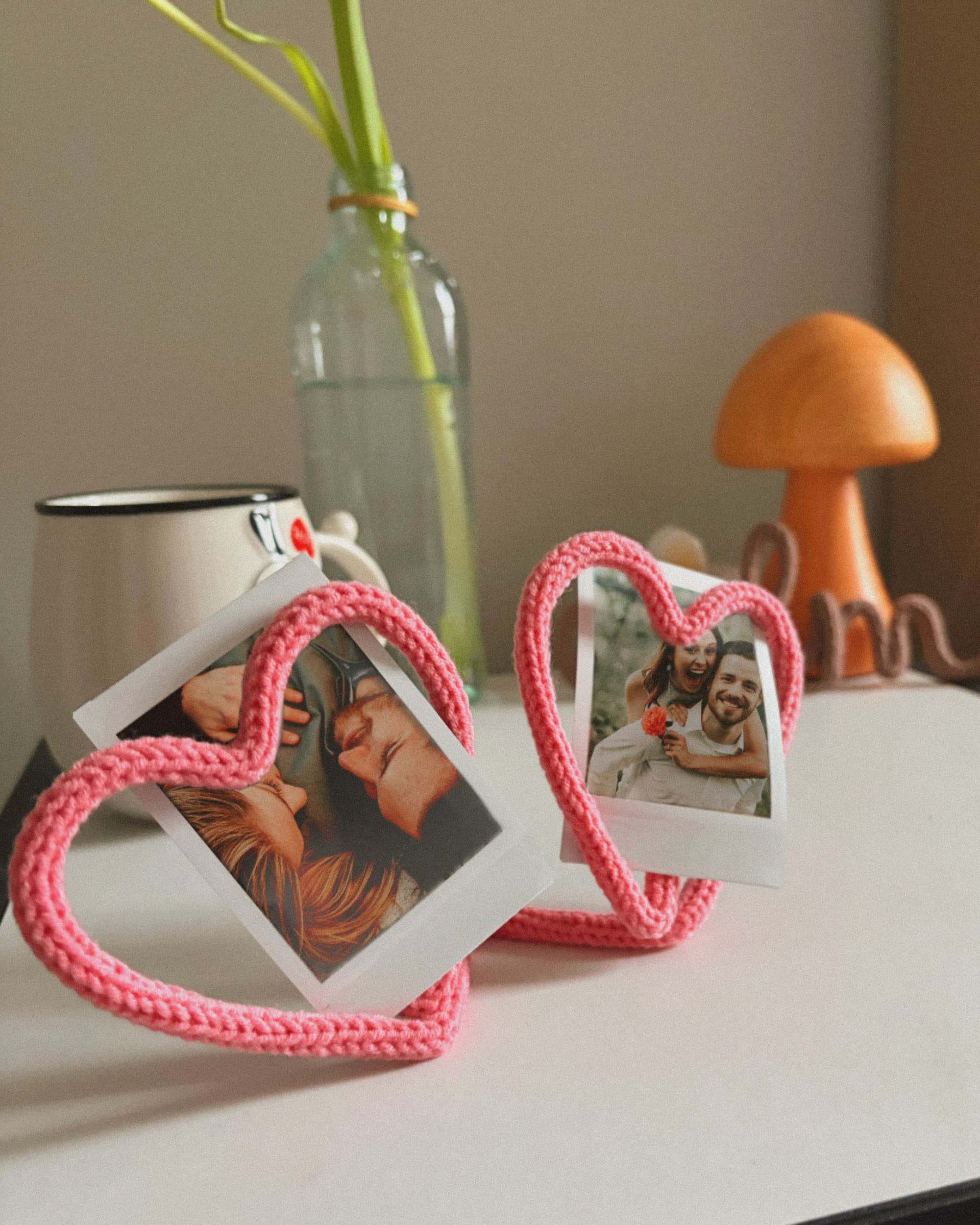
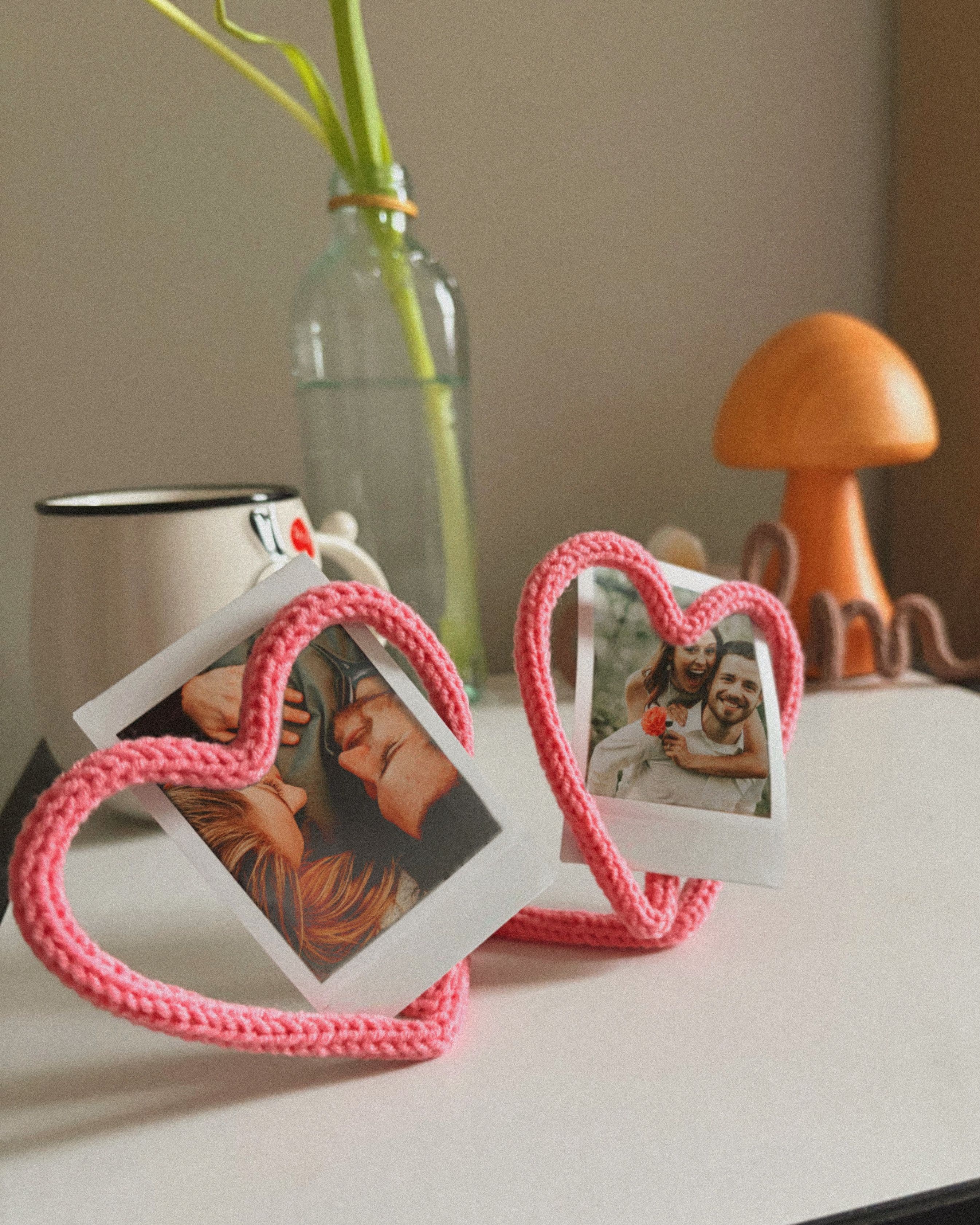
The heart-shaped frames are designed to frame photos, notes, or moments that you want to keep close to you. Valentine keychains and wall plaques
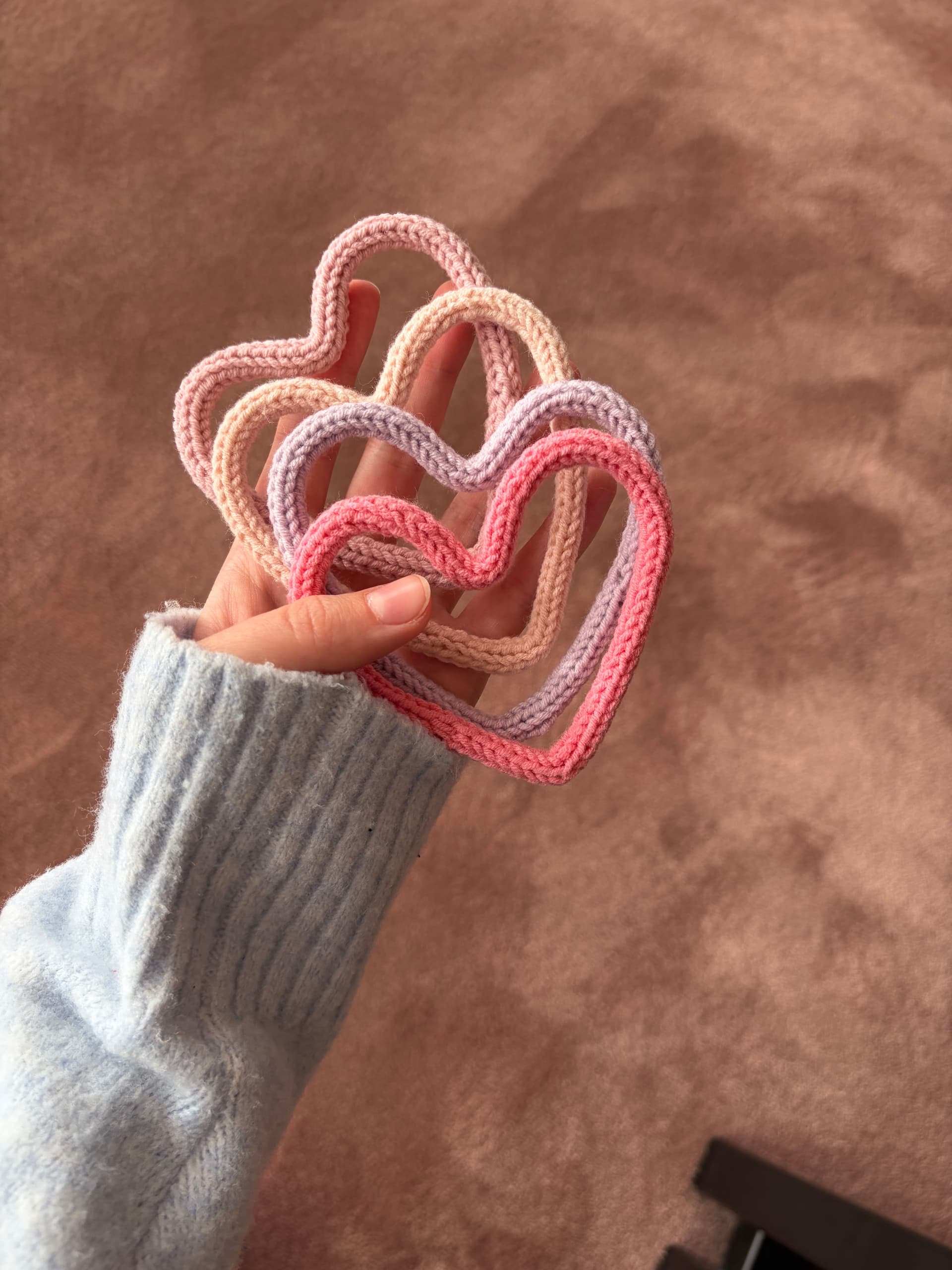
In a sense, they resemble the very first valentines: simple, handmade shapes designed for one person.
Well
Valentines have been around for centuries not because they are extravagant, but because they are human. They remind us that love does not always need an audience. Sometimes it just needs a moment – and a form delicate enough to hold it.